Why structural drying is key to stopping mold regrowth
When water damage strikes indoors, the first worry is often the visible mess: soaked carpets, wet walls, standing water. But the real trouble begins later, when mold starts appearing in places that seemed dry. Mold does not need much to grow back. If the structure beneath the surface stays damp, mold spores will find it. That is why water extraction services have evolved beyond simply removing standing water. True restoration depends on structural drying, a process that reaches the hidden moisture left behind after the initial cleanup.
Structural drying is not the same as letting air move through a room with a fan. It is a deliberate method that targets moisture trapped inside building materials. Carpets, underlay, drywall, studs, and subflooring can hold water long after the floor looks and feels dry. If that moisture is not drawn out, mold will colonize the material within a day or two. Understanding how structural drying works, and why it matters, helps property owners make better decisions when they need water extraction services.
What structural drying does that standard drying cannot
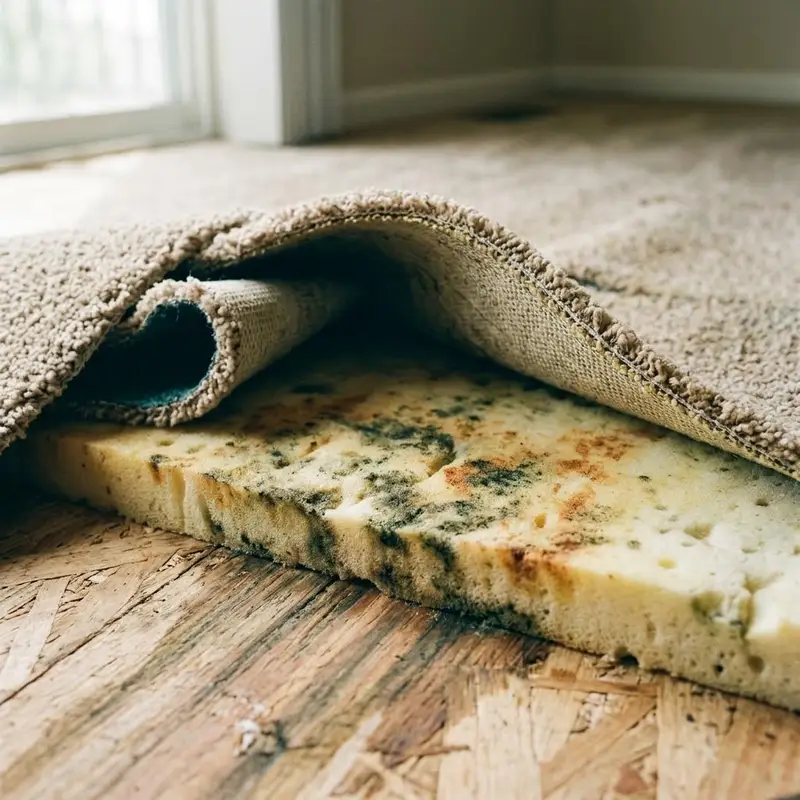
Standard drying relies on surface evaporation. You open windows, run fans, and wait for things to feel dry to the touch. That approach works for spills that only wet the surface. But floodwater, burst pipes, or sewer backups push moisture deep into porous materials. A carpet may feel dry on top while the underlay and the padding beneath it stay saturated. Drywall can look intact while the core remains wet. Wood subfloors absorb water and hold it in their grain. Mold spores settle into these damp zones and begin feeding on the organic material.
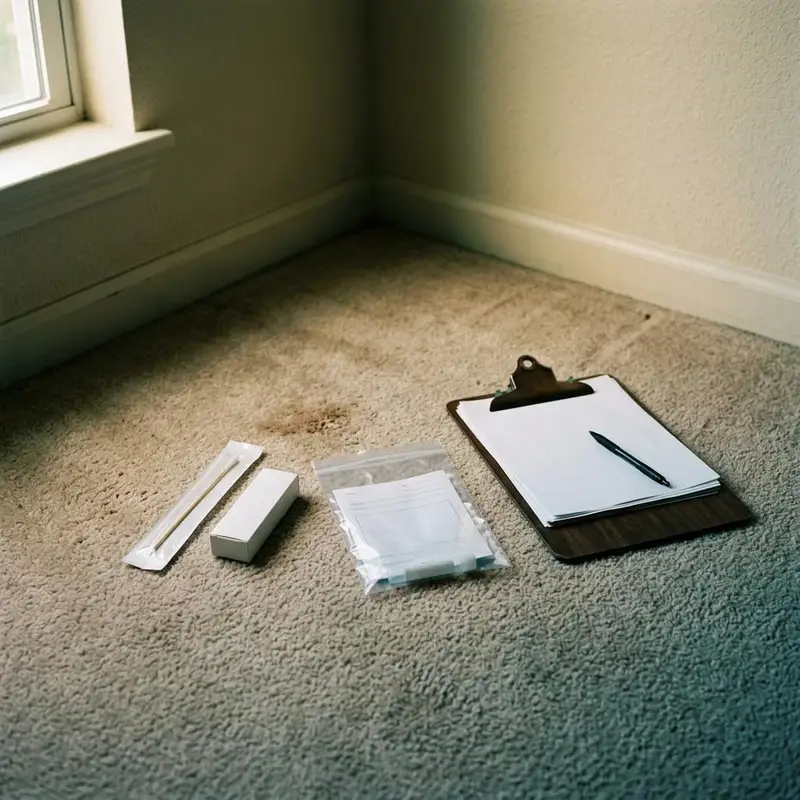
Structural drying uses equipment that creates a controlled environment to pull moisture from deep within materials. Industrial-grade dehumidifiers, air movers, and heaters work together to lower the humidity in the space and increase the evaporation rate from surfaces. The goal is to dry the material all the way through, not just the outer layer. Professionals monitor moisture levels with meters that read the moisture content inside drywall, wood, and concrete. Only when those readings drop below the threshold where mold can grow is the structure considered dry.
How the process works step by step
The process begins after water extraction services have removed all standing water and the initial wet vacuuming is done. At that point, the space is still humid and the materials are saturated. The drying team sets up equipment based on the size of the affected area, the type of materials, and the weather outside. The approach varies, but the principles are the same.
Containment and air management
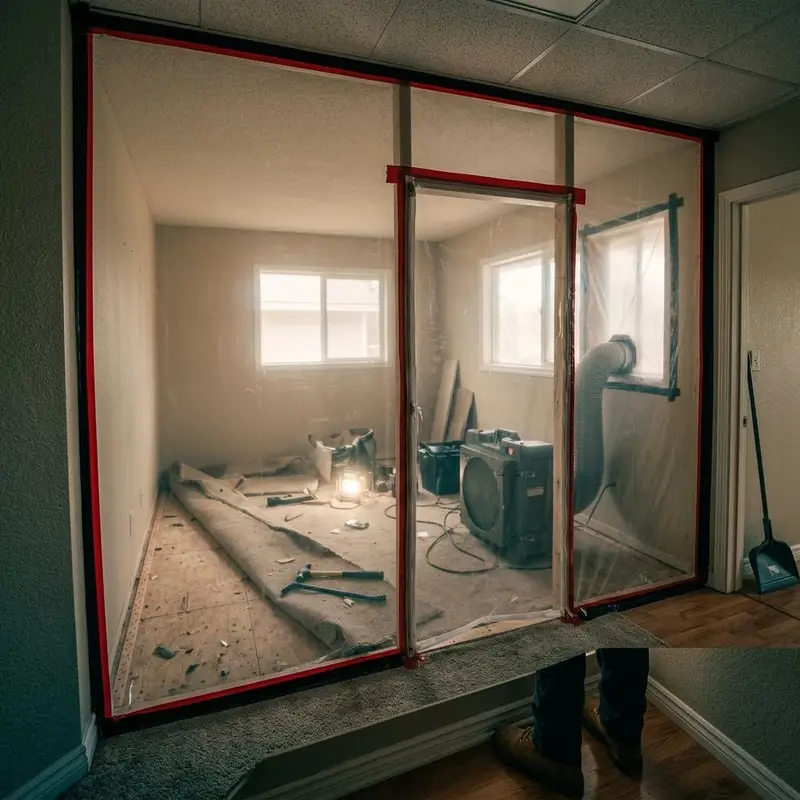
Affected rooms are sealed off from the rest of the building to prevent humid air from spreading. Plastic sheeting and tape block doorways and vents. Industrial dehumidifiers are placed inside the containment. These machines pull moisture out of the air and drain it away. At the same time, air movers are positioned to create a steady flow across wet surfaces. The combination of low humidity and moving air speeds up evaporation from the materials.
Targeted heat and airflow
In some cases, heaters are used to raise the temperature inside the containment. Warm air holds more moisture than cool air, so raising the temperature increases the drying rate. The heat must be controlled. Too much heat can warp wood or damage sensitive materials. Professionals monitor the temperature and humidity to keep conditions optimal for drying without causing secondary damage.
Directing air into cavities
Moisture often collects in wall cavities, under flooring, and behind baseboards. Standard fans cannot reach those spaces. Drying teams use specialized methods such as injecting dry air into wall cavities through small holes, or removing sections of wet drywall to expose the studs. For carpeted areas, the carpet may be lifted and the padding removed so that air can reach the subfloor. These steps are not always necessary, but they are essential when the water damage is severe or when the structure has been wet for more than a day.
Why drying from the inside out matters for mold prevention
Mold does not need much to grow. It requires moisture, a food source, and the right temperature. Building materials like wood, drywall paper, and carpet fibers are excellent food sources. If the moisture content of these materials stays above 16 percent for more than 24 hours, mold spores that are always present in the air will begin to germinate. Within a few days, visible colonies appear. Once mold takes hold, it can spread into adjacent materials and release spores into the air.
Structural drying aims to bring the moisture content of all affected materials below that 16 percent threshold as quickly as possible. That means drying the wood studs inside a wall, not just the drywall surface. It means drying the concrete slab under a carpet, not just the carpet fibers. When the entire structure is dry, mold has no reservoir of moisture to draw from. Even if spores land on the surface, they cannot establish a colony because the material is too dry to support growth.
The role of water extraction services in the bigger picture
Water extraction services are the first step in any water damage response. They remove the bulk of the water quickly, preventing it from spreading further into the building. But extraction alone does not guarantee that mold will not grow. After the visible water is gone, the structure remains wet. That is where structural drying completes the job. When you hire professionals who offer both water extraction and structural drying, you get a comprehensive approach that addresses both the immediate mess and the long-term risk.
Carpet Mold Removal Services Pros carpet mold removal services include structural drying as part of their restoration process. They understand that removing mold is not just about cleaning visible growth. It is about creating an environment where mold cannot return. By combining thorough water extraction with controlled structural drying, they help ensure that the materials in your home or business stay dry enough to resist mold colonization. This approach saves time and money in the long run because it prevents the need for repeated mold remediation.
What to look for when choosing a drying approach
Not every water damage situation requires the same level of drying. A small spill that is cleaned quickly may only need surface drying. But if water has been sitting for more than a few hours, or if it has soaked into multiple layers of material, structural drying is the safer choice. Here are some signs that a property needs more than surface drying:
- Wet drywall that feels soft or shows water staining at the base.
- Carpet that feels dry on top but the padding underneath is damp.
- A musty odor that persists after the visible water is gone.
- Humidity levels in the room staying above 60 percent after cleanup.
- Water that came from a source carrying contaminants, such as sewage or floodwater.
In these cases, relying on fans and open windows is unlikely to dry the structure fast enough. Professional water extraction services that include structural drying use equipment and monitoring that can shorten the drying time from weeks to days. That speed is critical because the longer materials stay wet, the more likely mold will take hold.
Practical steps property owners can take
While the structural drying itself is best left to professionals, property owners can do several things to support the process and reduce the chance of mold returning. First, remove all wet porous materials that cannot be dried. This includes soaked carpet padding, wet drywall, and saturated insulation. These materials act like sponges and will keep the structure wet if left in place. Second, improve ventilation by opening windows and doors when weather permits, but only after the initial water extraction is complete. Third, keep the indoor humidity below 50 percent using dehumidifiers, especially in basements and crawl spaces where moisture tends to linger.
It is also important to act quickly. The window for preventing mold growth is narrow. If you wait more than 24 to 48 hours to begin drying, the chance of mold colonization increases significantly. Even if you plan to hire professionals, starting the drying process early with fans and dehumidifiers can buy time and reduce the severity of the problem.
How structural drying fits into carpet mold removal services
Carpet mold removal services focus on restoring contaminated carpeting and the underlying floor structure. When mold grows in carpet, it often spreads into the padding and the subfloor. Simply cleaning the carpet surface does not solve the problem because the mold roots remain in the padding and wood. Structural drying ensures that these hidden layers are dried thoroughly, eliminating the moisture source that feeds the mold.
Carpet Mold Removal Services Pros carpet mold removal services apply this principle by combining extraction, drying, and material replacement as needed. They know that a carpet may look clean after a shampoo, but if the subfloor is still wet, the mold will come back. Their approach includes drying the entire assembly, not just the visible fibers. This comprehensive method is what sets professional restoration apart from DIY cleanup that often leads to repeat mold problems.
A final word on preventing mold regrowth
The key to keeping mold from returning is to keep the structure dry. Water extraction services that stop at removing standing water leave the building at risk. Structural drying is the step that finishes the job by pulling moisture from deep inside the materials where mold likes to hide. Whether you are dealing with a small leak or a major flood, making sure the structure is fully dry is the most effective way to prevent mold from taking hold again.